For nearly a decade, I sat at the center of hiring decisions for high-growth tech leaders—ranging from stealth-mode startups to industry powerhouses like Pinterest, Stripe, and Robinhood. My expertise spans the full talent spectrum, from early-career professionals to principal and executive leadership.
Today, as the founder and lead coach of Kaiser Career Coaching, I use that insider experience to empower high-caliber talent from the outside. By pulling back the curtain on how hiring committees actually evaluate candidates, I help job seekers demystify recruitment and take control of their career trajectories.
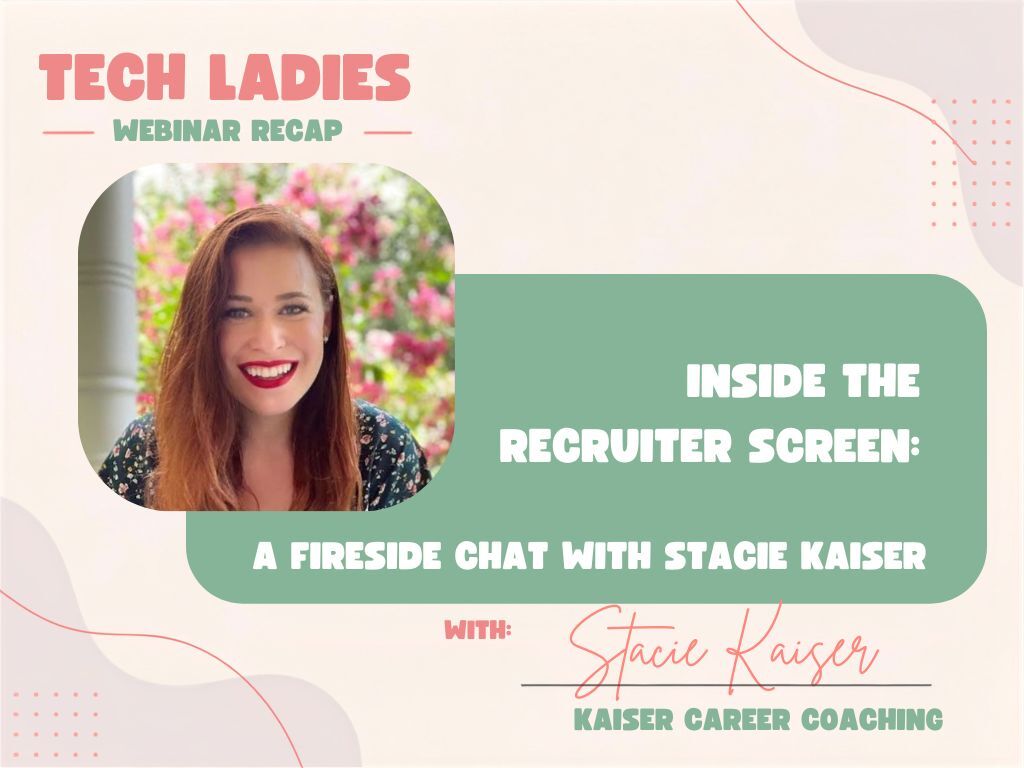
Following our recent fireside chat—where I tackled your top questions about passing the recruiter screen—we’ve highlighted three of the most popular questions submitted by the community:
1. What are recruiters really assessing during an initial screening call, and what determines whether a candidate moves forward?
Recruiters evaluate a wide range of factors during an initial screen. To determine whether a candidate moves forward, they balance practical logistics, core technical alignment, and key behavioral cues.
What recruiters are listening for generally falls into four main categories:
1. Logistical Alignment (The Non-Negotiables)
First, recruiters filter out dealbreakers that could derail the process later on. They want to ensure alignment on basics like work location/remote expectations, work authorization status, compensation expectations, and start date timeline before investing further interview rounds.
2. Baseline Skill Fit
Recruiters verify that core qualifications match the role's requirements. Generally, they look for about an 80% overlap in core skills. Any missing elements should be areas you can easily pick up on the job or learn quickly during onboarding.
3. Resume Authenticity
Next, the recruiter dives deeper to verify your resume. They listen to how fluidly and specifically you describe past projects to ensure your resume accurately reflects your actual scope of responsibility. This is also a key moment to gauge soft skills - specifically, how clearly, concisely, and articulately you can explain complex technical concepts or your career history.
4. Genuine Interest & "Sellability"Screening calls are a two-way street. Recruiters assess whether you are genuinely engaged with the opportunity or just casting a wide net. Beyond initial interest, they are evaluating whether they can successfully "sell" you on the position and close you if you make it to the offer stage.
2. How to best prepare for an upcoming recruiter screen?
My advice is to review your resume and past performance reviews to jog your memory on key projects you might have forgotten. From there, compare your experience against the job description and any recent company publications—such as their blog, site, or research papers. Outline the primary topics you want to discuss, keeping the focus on your most relevant achievements so you lead with your strongest alignment.
Beyond prepping your background, take time to clarify what is driving your search. What genuinely motivates you? What are your non-negotiables? This extends to compensation as well: conduct market research to understand current compensation trends for similar roles.
Knowing what matters to you helps you ask targeted questions during the call. Remember, an interview is never a one-way evaluation—at every stage, you are interviewing them to ensure the role and culture are the right home for you.
3.. How to deliver a concise, compelling "tell me about yourself" / elevator pitch?
Start with your current role and a high-level overview of your primary scope of responsibility. From there, paint a clear picture of your career trajectory: walk the interviewer through key early-career milestones and highlight your growth over time. Connect the dots between past experiences by emphasizing quantifiable achievements and expanding scope. Finally, conclude by articulating your future goals and connecting them directly to the role at hand—for instance, if you are interviewing for a Tech Lead position with management potential, share how your long-term aspiration is to step into leadership, drive broader organizational impact, and mentor fellow teammates.If you’re looking for tailored support with recruiter screens—or any stage of the interview process—I’m here to help. I launched Kaiser Career Coaching out of a passion for helping ambitious professionals secure roles that deliver the impact, compensation, and growth they deserve.
Whether you’re navigating a layoff, returning from a career break, or making a strategic pivot, you don't have to figure it out alone.
Ready to turn your potential into your next big opportunity? Explore coaching packages and book a 1:1 session directly at kaisercareercoaching.com.
Let’s find a role that honors both your expertise and your lifestyle.



.png)